Craft brewing has witnessed a remarkable surge in popularity in recent years, with enthusiasts seeking unique, high – quality brews that go beyond the offerings of mass – produced beers. As a supplier of craft brewing equipment, I’ve had the privilege of working closely with brewers at various stages of their journey, from startups to established microbreweries. One question that frequently arises is: How does the quality of craft brewing equipment affect the final product? In this blog, I’ll delve into the various aspects of this relationship, drawing on my experience in the industry. Craft Brewing Equipment
Consistency in Brewing
One of the most significant impacts of high – quality craft brewing equipment is its ability to ensure consistency in the brewing process. Consistency is the cornerstone of a successful craft brewery, as it allows brewers to replicate their signature recipes time and time again. Inferior equipment may lack the precision and reliability needed to maintain consistent brewing conditions.
For instance, temperature control is a critical factor in brewing. Different stages of the brewing process, such as mashing and fermentation, require specific temperature ranges. High – quality brewing kettles and fermenters are equipped with advanced temperature control systems that can maintain a stable temperature within a narrow margin. This precision ensures that the enzymes in the mash work optimally, converting starches into fermentable sugars, and the yeast ferments the wort at the right pace, producing the desired flavors and alcohol content.
On the other hand, low – quality equipment may have inaccurate temperature sensors or inefficient heating and cooling systems. This can lead to inconsistent temperatures during the brewing process, resulting in variations in the final product. A batch of beer brewed with inconsistent temperatures may have off – flavors, a different alcohol content, or a less desirable mouthfeel compared to previous batches.
Efficiency in Brewing Operations
The quality of craft brewing equipment also affects the efficiency of the brewing operations, which in turn impacts the final product. High – quality equipment is designed to be more efficient in terms of energy consumption, water usage, and brewing time.
Energy – efficient brewing systems can significantly reduce the operating costs of a craft brewery. For example, modern brewing kettles are often insulated to prevent heat loss, and they may use advanced heating elements that convert energy into heat more efficiently. This not only saves money on energy bills but also ensures that the brewing process is more environmentally friendly.
In addition, efficient equipment can reduce the brewing time. High – quality mash tuns are designed to extract the maximum amount of sugars from the grains in a shorter period. This allows brewers to produce more batches of beer in a given time frame, increasing their productivity. Moreover, faster brewing times can also have a positive impact on the flavor of the beer. Some flavors can develop over time during the brewing process, and a shorter brewing time can help preserve the freshness and intensity of these flavors.
Conversely, low – quality equipment may be less efficient, consuming more energy, water, and time. This not only increases the cost of production but can also lead to a less consistent and lower – quality final product. For example, a poorly designed mash tun may require multiple rinses to extract all the sugars from the grains, resulting in a loss of flavor and an increased risk of contamination.
Hygiene and Sanitation
Hygiene and sanitation are crucial in the brewing process, as any contamination can ruin a batch of beer. High – quality craft brewing equipment is designed with hygiene in mind, making it easier to clean and sanitize.
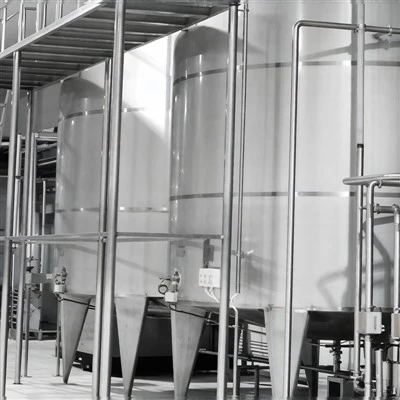
Stainless steel is a common material used in high – quality brewing equipment because it is non – porous, corrosion – resistant, and easy to clean. It does not harbor bacteria or other microorganisms, which can cause off – flavors and spoilage in the beer. Additionally, high – quality equipment often has smooth surfaces and minimal crevices, reducing the risk of dirt and debris buildup.
Furthermore, many high – quality brewing systems are equipped with automated cleaning and sanitation features. These systems can circulate cleaning solutions through the equipment, ensuring that all parts are thoroughly cleaned and sanitized. This not only saves time and labor but also reduces the risk of human error in the cleaning process.
In contrast, low – quality equipment may be made from materials that are difficult to clean or may have rough surfaces that can trap bacteria. This can lead to contamination of the beer, resulting in off – flavors, cloudiness, or even spoilage. A single contaminated batch can damage a brewery’s reputation and lead to financial losses.
Flexibility in Recipe Development
Another advantage of high – quality craft brewing equipment is its ability to provide flexibility in recipe development. As the craft brewing industry continues to evolve, brewers are constantly looking for ways to create new and innovative beer styles. High – quality equipment allows brewers to experiment with different ingredients, brewing techniques, and processes.
For example, some high – end brewing systems are equipped with multiple vessels and controls that allow brewers to perform complex brewing processes, such as step mashing or decoction mashing. These techniques can produce unique flavors and textures in the beer that are not achievable with simpler brewing methods.
In addition, high – quality equipment can handle a wider range of ingredients. For instance, a well – designed hop back can be used to add different types of hops at different stages of the brewing process, enhancing the aroma and flavor of the beer. Brewers can also use high – quality equipment to experiment with adjuncts, such as fruits, spices, and grains, to create unique flavor profiles.
On the other hand, low – quality equipment may limit the brewer’s ability to experiment. It may not be able to handle the complex brewing processes or a wide variety of ingredients, restricting the brewer’s creativity and limiting the range of beer styles that can be produced.
Impact on Flavor and Aroma
Ultimately, the quality of craft brewing equipment has a direct impact on the flavor and aroma of the final product. High – quality equipment helps to preserve and enhance the natural flavors and aromas of the ingredients used in the brewing process.
As mentioned earlier, precise temperature control in high – quality equipment ensures that the yeast ferments the wort at the optimal temperature, producing the desired flavors and esters. The type of equipment used for hops addition can also affect the aroma of the beer. For example, a whirlpool hop addition system in a high – quality brewing kettle can help to extract the essential oils from the hops more effectively, resulting in a more intense and complex hop aroma.
Moreover, the quality of the water treatment equipment used in the brewing process can also have a significant impact on the flavor of the beer. Different beer styles require different water profiles, and high – quality water treatment systems can adjust the mineral content of the water to match the specific requirements of the recipe.
In contrast, low – quality equipment may not be able to provide the same level of control over the brewing process, leading to a less balanced and less flavorful beer. For example, improper temperature control during fermentation can result in the production of off – flavors, such as diacetyl or acetaldehyde, which can give the beer a buttery or fruity flavor that is not desirable in certain beer styles.
Conclusion and a Call to Action
In conclusion, the quality of craft brewing equipment plays a vital role in determining the final product. From ensuring consistency and efficiency in brewing operations to maintaining hygiene and providing flexibility in recipe development, high – quality equipment is essential for producing high – quality craft beer.
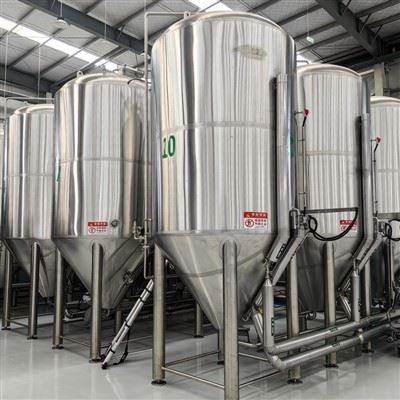
If you’re a craft brewer looking to take your brewing to the next level, or if you’re just starting out and want to invest in the best equipment for your brewery, I encourage you to reach out to us. We have a wide range of high – quality craft brewing equipment that can meet the needs of breweries of all sizes. Our team of experts is also available to provide you with personalized advice and support to help you choose the right equipment for your specific requirements.
Brewhouse System Don’t let subpar equipment hold back your brewing potential. Contact us today to start a conversation about how our craft brewing equipment can help you create exceptional beer.
References
- Bamforth, C. W. (2003). Brewing: New Technologies. Springer.
- Fix, G., & Fix, L. (1999). An Analysis of Brewing Techniques. Brewers Publications.
- Kunze, W. (2019). Technology Brewing and Malting. VLB Berlin.
Wenzhou Jinggong Machinery Equipment Co., Ltd.
We are one of the most professional craft brewing equipment manufacturers and suppliers in China. With abundant experience, we warmly welcome you to buy customized craft brewing equipment at competitive price from our factory. If you have any enquiry about quotation, please feel free to email us.
Address: No.Jiadi Industrial Zone, Yaoxi Town, Longwan District, Wenzhou City, China.
E-mail: jinggong2026@163.com
WebSite: https://www.jg-ind.com/
