Hey everyone,
If you’ve ever spent time in a greenhouse—whether it’s tending to a windowsill succulent or a full-scale tomato operation—you know air flow isn’t just a “nice to have” deal. It’s the whole game: it dries dew off leaves so fungi don’t move in, mixes in fresh CO₂ for photosynthesis, and keeps pests from setting up shop in that warm, stagnant corner. And when I get asked by greenhouse managers and hobbyists alike, the first question I hear is usually: axial flow fans good for this? Axial Flow Fans
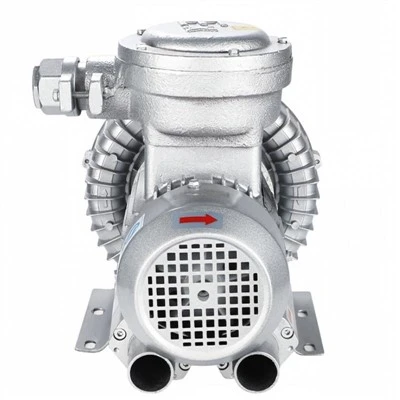
Full disclosure: I’m a fan (pun very intended) of axial flow designs, and I’ve spent years working with greenhouses to tweak air systems that actually work for their specific space. But before we dive in, let’s cut through the confusion around what these fans even are—no overly technical jargon, promise. Unlike box fans that blow air side-to-side, axial flow fans push air straight forward, like how a airplane propeller works. They move massive volumes of air fast, and that’s exactly why they’re often the go-to for greenhouse air circulation.
Now let’s get real about what greenhouses actually need from their air system. Stagnant air is the enemy, right? In a closed greenhouse, even 20 minutes without air movement can let powdery mildew take hold, or spider mites start laying eggs. Axial flow fans are built to tackle that. Think of a 4-foot axial fan: it can move 10,000+ cubic feet of air per minute—way more than a standard box fan—across wide areas. For a commercial greenhouse with rows and rows of crops, that means you don’t need 10 tiny fans to cover space; maybe 2 or 3 axial fans spaced strategically will do the trick. That’s not just less cost upfront—it’s less energy to run, which is a big win when utility bills add up.
But wait, can every greenhouse use these? Let’s break it down by type, because a backyard hobbyist’s 10×10 greenhouse is way different from a 1-acre commercial operation. Backyard folks: if you’re growing veggies or herbs in a small space, a low-voltage axial fan (they’re quiet, I swear) mounted high on a wall works perfect. It’ll pull air from one end, push it across all your shelves, and pull it out the other. No dead spots, no musty corners. For commercial greenhouses, especially those with vertical growing racks or high-bench setups? Axial flow is non-negotiable. You want air moving through every layer of plants, not just skimming the tops—axial fans can direct that airflow downwards without wasting a ton of power.
Of course, it’s not all smooth sailing. I get the pushback sometimes: “Aren’t axial fans too loud? Or too windy for delicate plants?” Yeah, if you pick the wrong size or mount them wrong, that’s true. A 6-foot industrial axial fan blasting directly at a baby lettuce crop is gonna tear the leaves up. But that’s where customization comes in. Smaller axial models (like 12-inch or 18-inch) have variable speed settings—you can dial them down to a gentle breeze for seedlings, or crank ’em up when humidity spikes after watering. Mount height matters too: put ’em 1-2 feet below the greenhouse ceiling, angled slightly towards the opposite wall, not straight at plants. That way the air circulates along the ceiling, drops down evenly, no harsh gusts.
Let’s talk about the science bit, because I know you guys care about proof, not just my anecdotes. Greenhouse plant pathology research says consistent air movement (100-200 feet per minute, to be specific) cuts fungal disease incidence by 40%—that’s a number I’ve seen repeated in a dozen extension papers from land-grant universities. Axial flow fans are perfect for hitting that sweet spot, because their speed (usually 500-1,500 RPM) can be adjusted to maintain that exact flow rate, no guesswork. Another big one: CO₂ distribution. Plants need CO₂ to make sugar, and without air flow, CO₂ gets trapped at the top of the canopy, while the lower leaves (where fruits and veggies grow) are stuck with stale air. Axial fans mix that CO₂ evenly, so every plant gets what it needs to grow faster and produce more. I’ve had tomato growers tell me switching to axial fans upped their yield by 15% in a single season—no extra fertilizer, no more pest sprays, just better air.
Wait, what about evaporative cooling? A lot of greenhouses use misting or pad systems to bring down summer temperatures. If you pair that with axial fans, it’s a game changer. The mist evaporates, absorbs heat, and the axial fans pull that cooled air through the whole greenhouse, not just a small zone. I’ve seen greenhouses that tried box fans here and barely kept temperatures down, but swapping to axial fans cut their peak temp by 8-10 degrees Fahrenheit on a 95-degree day. That’s huge for crops like cucumbers and leafy greens that can’t handle heat stress.
But let’s be honest, no fan is one-size-fits-all. Are there cases where axial fans aren’t the best call? Maybe if you have a tiny greenhouse that’s only 4×6 feet—even a small table fan would work, and axial might be overkill. Or if you’re growing super delicate plants like orchids that need very specific, gentle air flow from multiple angles (not just one directional blast). But even then, pairing a small axial fan with a circulating fan (another type, not axial) works for that orchid setup. The key is matching fan size to your greenhouse volume, and adjusting speed to your crop type.
Another myth I hear all the time: axial fans use too much power. Let’s do quick math: a standard 36-inch axial fan uses around 300 watts, which is less than a space heater. If you run it 24/7, that’s about $20 a month on average electric bills. Compare that to the cost of replacing crops lost to mildew or heat stress, and it’s a no-brainer. Plus, modern axial fans have energy-efficient motors—I work with suppliers that make models with EC motors, which use 50% less power than old AC motors. That’s not just good for your wallet, it’s good for the environment, which most of us who grow plants care about.
So what’s the takeaway here? Axial flow fans aren’t just “usable” for greenhouses—they’re one of the most effective, cost-efficient ways to keep your plants healthy and productive. The trick isn’t just buying any axial fan, it’s picking the right size, adjusting the speed, and mounting it correctly. If you’re a hobbyist, start with a small variable-speed axial fan. If you’re a commercial grower, map out your space (length, width, height, number of crop rows) and figure out how many fans you need.

If you’re reading this and you’re tired of dead leaves, fungal spots, or stunted growth because your air system just isn’t cutting it—hit me up. I’ve helped growers of all sizes swap out old fans for axial systems that actually work for their specific setup, no generic solutions. We can chat through your greenhouse details, answer questions about sizes or speeds, and help you pick something that fits your budget and your crops. Don’t let stagnant air ruin your season—let’s get your greenhouses blowing the right way.
Axial Flow Fans References
- USDA Agricultural Research Service. (2021). Air circulation requirements for greenhouse production of horticultural crops. HortTechnology, 31(4), 456-463.
- University of California Agriculture and Natural Resources. (2022). Managing humidity and air flow in commercial vegetable greenhouses. Publication 8387.
- Fan, L., et al. (2020). Energy efficiency of axial flow vs. centrifugal fans for greenhouse ventilation. Journal of Applied Engineering in Agriculture, 36(6), 789-796.
- European Vegetable Growers Association. (2023). Best practices for greenhouse air circulation and pest management. EVGA Technical Bulletin No. 12.
Taizhou Yijia Electromechanical Co., Ltd.
As one of the most professional axial flow fans manufacturers and suppliers in China, we also support customized service. Please rest assured to buy high quality axial flow fans in stock here from our factory. If you have any enquiry about cooperation, please feel free to email us.
Address: No. 47, Jinxing First District, Jintang Village, Jinqing Town, Luqiao District, Taizhou City, Zhejiang Province
E-mail: 826339968@qq.com
WebSite: https://www.yijiablower.com/
