Do cranes migrate? This is a question that has intrigued bird enthusiasts, scientists, and even those in the crane-related business, like myself. As a crane supplier, I’ve had the opportunity to witness the significance of cranes not just in the industrial and construction sectors but also in the natural world. Understanding their migratory behavior can provide valuable insights into these magnificent creatures and how our work with cranes intersects with nature. Crane

The Phenomenon of Crane Migration
Cranes are well – known for their remarkable migratory patterns. In fact, most crane species are migratory, covering vast distances between their breeding and wintering grounds. The reasons behind these migrations are multi – faceted. One of the primary drivers is the availability of food. As the seasons change, the abundance of insects, small mammals, plants, and other food sources varies in different regions. Cranes are forced to move to areas where they can find an adequate food supply to survive and thrive.
For example, the Sandhill Crane (Antigone canadensis) is a common sight in North America. These cranes breed in the northern parts of Canada and Alaska during the summer months. The long days and abundant wetlands in these regions provide excellent breeding conditions and a rich supply of food, such as aquatic plants, insects, and small vertebrates. As winter approaches and the northern regions become cold and the food sources freeze or become scarce, the Sandhill Cranes embark on a long journey south. They travel in large flocks, sometimes numbering in the thousands, and make their way to warmer areas like the southwestern United States and Mexico.
Another factor influencing crane migration is the availability of suitable breeding and nesting sites. During the breeding season, cranes require specific habitats such as wetlands, marshes, or shallow lakes. These areas provide the necessary resources for building nests, protecting their eggs, and raising their chicks. In winter, these habitats may become unsuitable due to freezing temperatures or water level changes. Hence, cranes migrate to regions where they can find more stable and favorable conditions throughout the colder months.
The journey of migrating cranes is not without its challenges. They face numerous threats along the way, including habitat loss, collisions with power lines, hunting, and climate change. Wetlands, which are crucial for cranes during both their breeding and wintering periods, are being drained and developed at an alarming rate. This loss of habitat reduces the available resting and feeding areas for migrating cranes, making their long – distance journeys even more difficult.
How Crane Migration Relates to the Crane Supply Business
As a crane supplier, the study of crane migration may seem unrelated at first glance. However, there are several connections that can be drawn. Firstly, environmental awareness is an important aspect of our business. Understanding the challenges that wild cranes face during migration makes us more conscious of the impact of human activities on the environment. When we supply cranes for construction projects, we are more likely to consider environmental regulations and sustainable practices to minimize the disruption to natural habitats, including those used by migrating cranes.
For instance, if we are providing cranes for a project near a wetland area that is a stopover for migrating cranes, we can work with the construction company to develop a plan that avoids disturbing the birds during their passage. This could involve adjusting the construction schedule to avoid peak migration times or implementing measures to reduce noise and light pollution that could disrupt the birds’ navigation.
Secondly, the concept of long – distance movement in crane migration can also be related to the transportation and deployment of our industrial cranes. Just as cranes in the wild move from one area to another in search of better conditions, our cranes are often transported long distances to job sites around the country or even internationally. We need to ensure that our cranes are well – maintained and can withstand the rigors of transportation, much like wild cranes have to be in good physical condition to complete their arduous migrations.
Moreover, the reliability of both wild cranes in their migration and our industrial cranes in their operations is crucial. Wild cranes rely on their physical strength, navigation skills, and the support of their flock to reach their destination. Similarly, our customers rely on the reliability and performance of the cranes we supply. We invest in high – quality manufacturing and strict quality control processes to ensure that our cranes can operate efficiently and safely, just as nature has equipped wild cranes with the necessary adaptations for migration.
The Conservation of Cranes and Its Impact on Our Business
Crane conservation has far – reaching implications for our business. Many crane species are endangered or threatened due to the factors mentioned earlier, such as habitat loss and human – induced threats. Conservation efforts are essential to protect these birds and their habitats.
From a business perspective, a healthy ecosystem that supports crane populations is also beneficial for us. Wetlands, which are critical for crane migration and survival, provide important ecosystem services such as flood control, water purification, and carbon sequestration. These services are important for the overall stability of the environment and can also have a positive impact on the long – term viability of construction projects. For example, wetlands that are well – preserved can help prevent flooding in nearby areas, reducing the risk of damage to construction sites and infrastructure.
We can play an active role in crane conservation by supporting conservation initiatives, raising awareness about the importance of cranes and their habitats, and promoting sustainable practices in our business operations. By doing so, we not only contribute to the protection of these magnificent birds but also enhance the reputation of our company as a socially and environmentally responsible organization.
The Role of Technology in Understanding Crane Migration
In recent years, technology has played a significant role in understanding crane migration. Scientists use satellite tracking devices to monitor the movements of individual cranes. These devices are attached to the birds and provide real – time data on their location, flight paths, and stopover sites. This information is invaluable for conservation efforts as it allows researchers to identify critical habitats, migration corridors, and potential threats.
For us as a crane supplier, the use of technology in crane research can serve as an inspiration. We also make use of advanced technology in the design, manufacturing, and operation of our industrial cranes. For example, we use computer – aided design (CAD) software to optimize the design of our cranes, ensuring maximum efficiency and safety. We also incorporate sensors and monitoring systems in our cranes to detect potential problems early and ensure smooth operation.
The data collected from crane migration research can also help us understand the broader environmental context in which our customers operate. For example, if a construction project is located near a known migration corridor, we can use this information to provide more informed advice to our customers on how to minimize the impact of their operations on the migrating cranes.
Conclusion and Call to Action
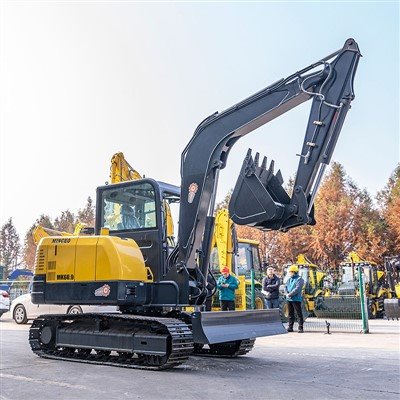
In conclusion, cranes do migrate, and this natural phenomenon is both fascinating and significant. As a crane supplier, we have a responsibility not only to provide high – quality cranes but also to contribute to the conservation of wild cranes and their habitats. By understanding the challenges that migrating cranes face and the importance of their ecosystems, we can make more sustainable business decisions.
Commercial and Engineering Trucks If you are in the market for reliable and high – performance cranes, whether it’s for a large – scale construction project or a small industrial operation, we are here to help. We offer a wide range of cranes that are designed to meet the diverse needs of our customers. Our team of experts is dedicated to providing you with the best products and services. Contact us today to discuss your crane requirements and let’s work together on your next project.
References
- Archibald, G. W., & Meine, C. D. (Eds.). (1996). The Cranes: Status Survey and Conservation Action Plan. IUCN.
- Johnsgard, P. A. (1983). Cranes of the World. University of Nebraska Press.
- Wetlands International. (2021). Crane Conservation. Retrieved from relevant reports and publications.
Jining Dafu Machinery Sales Co., Ltd.
As one of the most professional crane suppliers in China, we’re featured by quality products and low price. Please rest assured to wholesale bulk cheap crane from our factory. We also accept customized orders.
Address: Room 1-115, Building 7, Luxinan Auto Parts City, Qiantongdian Village, Quanpu Town, Liangshan County, Jining City, Shandong Province
E-mail: jiningdafu@163.com
WebSite: https://www.dafumachinery.com/
