How to adjust the speed of a Ribbon Mixer?
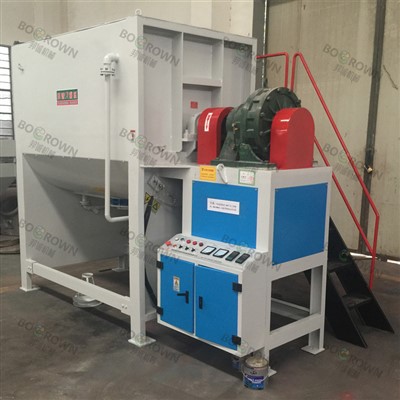
As a provider of ribbon mixers, I’ve encountered numerous inquiries from clients regarding the proper adjustment of mixer speed. This is an issue that significantly impacts both the efficiency and quality of mixing operations. In this blog post, I’ll share some practical insights and professional advice on how to adjust the speed of a ribbon mixer. Ribbon Mixer
The Importance of Speed Adjustment
Before delving into the adjustment methods, it’s crucial to understand why speed adjustment is so important. The speed of a ribbon mixer refers to the rotational speed of its mixing shaft, which directly influences the intensity and uniformity of the mixing process. Different materials and mixing requirements call for different speeds.
- Material Characteristics: Granular materials with high fluidity may require a lower speed to prevent excessive shearing and particle breakage. On the other hand, viscous and cohesive materials often need a higher speed to ensure thorough blending.
- Mixing Objectives: If the goal is to achieve a homogeneous mixture quickly, a higher speed might be appropriate. However, when dealing with delicate materials or when a gentle mixing action is needed to preserve the integrity of the ingredients, a lower speed should be selected.
- Batch Size: Larger batch sizes generally require higher speeds to ensure that all the materials are effectively mixed. Conversely, smaller batches can be mixed at lower speeds.
Methods of Speed Adjustment
There are several ways to adjust the speed of a ribbon mixer, each with its own advantages and limitations.
1. Variable Frequency Drives (VFDs)
Variable frequency drives are one of the most common and effective methods for adjusting the speed of a ribbon mixer. A VFD works by changing the frequency of the electrical power supplied to the mixer motor, which in turn changes the motor’s speed.
- Advantages:
- Precise Control: VFDs allow for very precise speed adjustment, which is essential for applications that require accurate mixing.
- Energy Efficiency: By adjusting the motor speed to match the actual mixing requirements, VFDs can significantly reduce energy consumption.
- Soft Start and Stop: VFDs provide a smooth start and stop function, which helps to reduce mechanical stress on the mixer components and extends their lifespan.
- Limitations:
- Cost: VFDs can be relatively expensive to purchase and install, especially for smaller mixers.
- Complexity: They require some technical knowledge to operate and maintain, and may need to be calibrated properly to ensure optimal performance.
To adjust the speed using a VFD, follow these steps:
- First, make sure the mixer is powered off and the electrical supply is disconnected.
- Locate the control panel of the VFD. This usually has a display screen and a set of buttons or a keypad for input.
- Depending on the specific model of the VFD, you may need to enter a password or access code to access the speed adjustment menu.
- Use the up and down arrows or the numerical keypad to set the desired speed. The speed is typically displayed in revolutions per minute (RPM).
- Once the desired speed is set, press the enter or confirm button to save the settings.
- Reconnect the electrical supply and start the mixer to test the new speed.
2. Pulley and Belt Systems
In some older or more basic ribbon mixers, speed adjustment is achieved through a pulley and belt system. This involves changing the size of the pulleys on the motor shaft and the mixer shaft.
- Advantages:
- Simple and Low – Cost: Pulley and belt systems are relatively simple in design and inexpensive to install and maintain.
- Mechanical Reliability: They are not affected by electrical problems and can operate in harsh environments.
- Limitations:
- Limited Range of Adjustment: The speed adjustment is usually in discrete steps, and it may not be possible to achieve a precise speed.
- Time – Consuming: Changing the pulleys requires stopping the mixer and disassembling parts of the drive system, which can be time – consuming.
To adjust the speed using a pulley and belt system:
- Stop the mixer and ensure it is completely powered off.
- Loosen the tension on the belt by adjusting the position of the motor or the idler pulley.
- Remove the belt from the pulleys.
- Select the appropriate pulleys based on the desired speed ratio. A larger pulley on the motor shaft and a smaller pulley on the mixer shaft will result in a higher mixer speed, and vice versa.
- Install the new pulleys on the respective shafts and re – install the belt.
- Adjust the belt tension to ensure proper operation.
- Start the mixer and check the new speed.
3. Gearboxes
Some ribbon mixers are equipped with gearboxes to provide different speed options. Gearboxes work by changing the gear ratio between the input shaft (connected to the motor) and the output shaft (connected to the mixer).
- Advantages:
- High Torque: Gearboxes can provide high torque at low speeds, which is useful for mixing heavy or viscous materials.
- Multiple Speed Options: They can offer a range of pre – determined speeds, allowing for flexibility in different mixing applications.
- Limitations:
- Size and Weight: Gearboxes can be large and heavy, which may add to the overall size and weight of the mixer.
- Maintenance Requirements: They require regular maintenance, such as lubrication and gear inspection, to ensure proper operation.
To adjust the speed using a gearbox:
- Stop the mixer and turn off the power supply.
- Locate the gearbox control mechanism. This may be a lever, a switch, or a button on the outside of the gearbox.
- Depending on the type of gearbox, adjust the control mechanism to select the desired speed.
- Some gearboxes may require a specific sequence of steps to change the speed. Make sure to follow the manufacturer’s instructions carefully.
- Once the speed is selected, start the mixer and verify the new speed.
Factors to Consider when Adjusting Speed
When adjusting the speed of a ribbon mixer, there are several additional factors that need to be taken into account.
- Mixing Time: The speed adjustment is closely related to the mixing time. A higher speed may reduce the mixing time, but it can also cause over – mixing in some cases. You need to find the right balance between speed and mixing time to achieve the best results.
- Temperature: High – speed mixing can generate heat, especially when dealing with viscous materials. Excessive heat can damage the materials or cause changes in their properties. Monitor the temperature during the mixing process and adjust the speed accordingly if necessary.
- Safety: Always follow the safety procedures when adjusting the speed of the mixer. Make sure the mixer is stopped and powered off before making any adjustments to the drive system. Wear appropriate personal protective equipment, such as gloves and safety glasses.
Tips for Optimal Speed Adjustment
- Conduct Tests: Before starting a large – scale mixing operation, conduct small – scale tests with different speeds to determine the optimal setting for your specific materials and mixing requirements.
- Keep Records: Keep a record of the speed settings, mixing times, and the quality of the final mixture for each batch. This will help you to identify trends and make adjustments in the future.
- Seek Professional Help: If you are unsure about how to adjust the speed or encounter any problems during the adjustment process, don’t hesitate to contact a professional technician or the manufacturer’s support team.
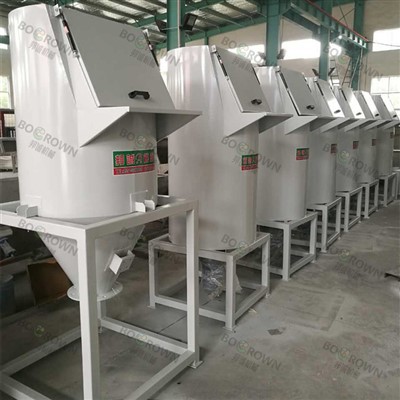
PVC Additives Dosing Machine If you are currently in the market for a ribbon mixer or need further advice on speed adjustment and other aspects of mixer operation, we are here to assist you. Our team of experts has extensive experience in the field of mixing technology and can provide you with customized solutions to meet your specific needs. Whether you are a small – scale producer or a large industrial manufacturer, we have the right ribbon mixer for you. Feel free to reach out to us for more information and to start a discussion about your procurement needs.
References
- "Industrial Mixing Handbook", Wiley Publications
- "Principles of Mixing Technology", Academic Press
- Manufacturer’s manuals of various ribbon mixers
ZJG BC Machinery Co., Ltd.
As one of the most professional ribbon mixer manufacturers and suppliers in China, we’re featured by quality products and good price. Please rest assured to buy cost-efficient ribbon mixer for sale here from our factory. Contact us for custom service and OEM service.
Address: No.8 Lexi Road, Leyu Town, Zhangjiagang City
E-mail: sales@bcextruder.com
WebSite: https://www.bcextruder.com/
