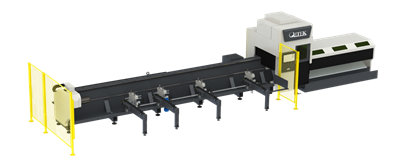
As a supplier of tube metal laser cutting machines, I’ve witnessed firsthand the remarkable advancements in laser technology and its impact on the metalworking industry. One of the most critical aspects of these machines is how they optimize the use of laser energy. In this blog post, I’ll delve into the mechanisms and strategies that enable tube metal laser cutting machines to make the most of this powerful energy source. Tube Metal Laser Cutting Machine
Understanding Laser Energy in Tube Metal Cutting
Before we explore the optimization techniques, it’s essential to understand the role of laser energy in tube metal cutting. Laser energy is a concentrated beam of light that can be precisely controlled to melt, vaporize, or burn through metal. In tube metal cutting, the laser beam is directed onto the surface of the tube, creating a high – intensity heat source that cuts through the material.
The efficiency of this process depends on several factors, including the power of the laser, the quality of the beam, and the interaction between the laser and the metal. A well – optimized laser cutting machine can achieve high – quality cuts with minimal energy consumption, which is not only cost – effective but also environmentally friendly.
Beam Quality and Focusing
One of the primary ways tube metal laser cutting machines optimize laser energy is through beam quality and focusing. A high – quality laser beam has a small spot size and a high degree of collimation. This means that the energy is concentrated in a small area, allowing for precise and efficient cutting.
Modern tube metal laser cutting machines use advanced optical systems to control the beam quality. For example, they may employ lenses and mirrors to focus the laser beam onto the surface of the tube. The focusing system can be adjusted to ensure that the beam is precisely centered on the cutting path, maximizing the energy transfer to the metal.
Moreover, some machines use adaptive optics technology. This technology can compensate for any aberrations in the laser beam, ensuring that the beam remains focused and of high quality throughout the cutting process. By maintaining a high – quality beam, the machine can use less energy to achieve the same cutting results.
Pulse Mode and Continuous Wave Operation
Tube metal laser cutting machines can operate in either pulse mode or continuous wave (CW) mode. Each mode has its advantages, and the choice between them depends on the specific cutting requirements.
In pulse mode, the laser emits short bursts of energy. This mode is particularly useful for cutting thin – walled tubes or materials that are sensitive to heat. The short pulses of energy reduce the heat – affected zone (HAZ) around the cut, minimizing the risk of distortion or damage to the tube. Additionally, pulse mode can be more energy – efficient because the laser is only emitting energy during the pulses, reducing overall energy consumption.
On the other hand, continuous wave operation provides a steady stream of laser energy. This mode is ideal for cutting thick – walled tubes or materials that require a high – power, continuous cutting process. By using a continuous wave, the machine can maintain a consistent cutting speed and quality, although it may consume more energy compared to pulse mode.
Many modern tube metal laser cutting machines are equipped with the ability to switch between pulse mode and CW mode, allowing operators to choose the most appropriate mode for each cutting task. This flexibility enables the machine to optimize laser energy usage based on the specific requirements of the job.
Material Interaction and Cutting Parameters
The interaction between the laser and the metal is another crucial factor in optimizing laser energy use. Different metals have different absorption rates for laser energy, which means that the cutting parameters need to be adjusted accordingly.
For example, some metals, such as aluminum, have a relatively low absorption rate for laser energy. To cut aluminum effectively, the laser cutting machine may need to use a higher power or a different wavelength of laser light. On the other hand, metals like steel have a higher absorption rate, allowing for more efficient cutting with lower energy consumption.
In addition to the material type, the thickness of the tube also affects the cutting parameters. Thicker tubes require more energy to cut through, so the machine may need to increase the laser power or slow down the cutting speed. By carefully adjusting the cutting parameters based on the material and thickness, the machine can optimize the use of laser energy.
Automation and Process Monitoring
Automation plays a significant role in optimizing laser energy use in tube metal cutting machines. Modern machines are equipped with advanced control systems that can automatically adjust the cutting parameters based on the material, thickness, and cutting requirements.
For example, the machine can use sensors to detect the thickness of the tube and adjust the laser power and cutting speed accordingly. This ensures that the machine is using the minimum amount of energy required to achieve a high – quality cut.
Process monitoring is another important aspect of automation. The machine can monitor the cutting process in real – time, detecting any issues such as poor cut quality or excessive energy consumption. If a problem is detected, the machine can automatically adjust the cutting parameters to correct the issue, further optimizing the use of laser energy.
Energy Recovery and Recycling
Some tube metal laser cutting machines are designed with energy recovery and recycling systems. These systems capture the excess energy generated during the cutting process and convert it into a usable form.
For example, the heat generated by the laser can be used to pre – heat the metal before cutting, reducing the amount of energy required to melt the material. Additionally, some machines can recover the energy from the exhaust gases and use it to power other parts of the machine or the manufacturing facility.
By implementing energy recovery and recycling systems, tube metal laser cutting machines can further reduce their energy consumption and improve their overall efficiency.
Conclusion
In conclusion, tube metal laser cutting machines optimize the use of laser energy through a combination of advanced technologies and strategies. From beam quality and focusing to pulse mode operation, material interaction, automation, and energy recovery, these machines are designed to achieve high – quality cuts with minimal energy consumption.
As a supplier of tube metal laser cutting machines, I’m committed to providing our customers with the most advanced and energy – efficient machines on the market. Our machines are designed to meet the diverse needs of the metalworking industry, from small – scale workshops to large – scale manufacturing facilities.
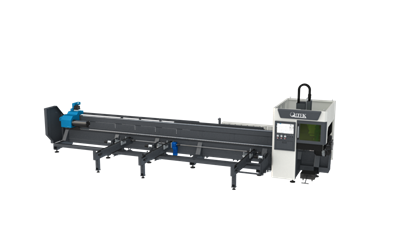
Material Storage and Automatic Loading/Unloading System If you’re interested in learning more about how our tube metal laser cutting machines can optimize your laser energy use and improve your cutting efficiency, I encourage you to contact us for a consultation. Our team of experts is ready to answer your questions and help you find the right machine for your specific requirements.
References
- "Laser Cutting: Principles and Practice" by John C. Ion
- "Handbook of Laser Materials Processing" edited by Yakov P. Raizer
- Technical papers from leading laser technology manufacturers such as Trumpf, Amada, and Bystronic.
Suzhou Quick Laser Technology Co., Ltd.
Suzhou Quick Laser Technology Co., Ltd. is one of the most professional tube metal laser cutting machine manufacturers and suppliers in China, featured by quality products and good price. Please feel free to buy durable tube metal laser cutting machine for sale here from our factory. For more information, contact us now.
Address: No. 6, Qingqiu Street, Industrial Park, Suzhou, Jiangsu Province, China
E-mail: info@qlteklaser.com
WebSite: https://www.qlteklaser.com/
