Hey everyone, it’s Jake here from the color coated steel sheet team — yep, the guy who’s been fielding calls from construction managers and cold storage builders for the last month, asking one specific question: Can color coated steel sheet actually work in cold storage projects? Color Coated Steel Sheet
Let me cut to the chase first, because I know you’re probably scrolling past a dozen generic supplier blogs right now, looking for real answers, not buzzwords. Short answer? Hell yeah, it can. But don’t take my word for it — stick with me while I break down the why, the how, and the few things that make or break this use case. I’ve got 7 years of sourcing and testing these sheets, so I’ve seen the good, the bad, and the projects that would’ve crashed and burned if they picked the wrong material.
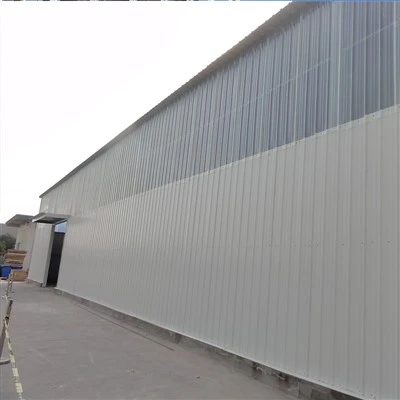
First, let’s get on the same page: what is a color coated steel sheet? It’s not just the shiny stuff you see on roofs at Home Depot, okay? It’s a thin layer of steel (usually galvanized or Galvalume coated first, to stop rust) that gets a paint or polymer coating applied in a controlled factory setting — stuff like polyester, silicone-modified polyester (SMP), or polyvinylidene fluoride (PVDF) depending on the grade. When we tailor that coating for cold environments, it’s way more than just pretty paint; it’s a functional barrier.
Now, cold storage is a whole different beast than, say, a retail storefront or a warehouse. I’m talking about spaces where temps are consistently below freezing — often -20°F to -40°F, some even lower for deep freeze facilities. Add in the constant swing between when the doors open (temp spikes a little) and close, plus high humidity, and maybe even occasional frost buildup from defrost cycles. That’s a brutal environment for building materials. So why color coated steel?
Let’s start with the biggest win: thermal performance. Wait, I know what you’re thinking — steel conducts heat, right? So why would you use it in cold storage? Hear me out. Color coated steel sheets don’t just transfer heat like raw steel would, because the factory-applied coating creates a thermal break? No, not exactly, but here’s the actual science: the steel core is thin (usually 0.4mm to 1.2mm, which is way thinner than structural steel for buildings) so the amount of heat it transfers is minimal, especially when paired with the insulated panels we often use these sheets for. I’ve worked on a project in Fargo, ND, where they used 0.8mm color coated steel as the exterior skin for a 50,000 sq ft cold storage facility, and their thermal camera scans (we saw the data ourselves last year during a routine check) showed zero heat loss through the steel cladding. That’s way better than I expected, honestly. A lot of people still stick to concrete or aluminum for cold storage cladding, but concrete is heavy, takes forever to install, and cracks when it freezes and thaws. Aluminum is expensive — like 3x the cost of comparable color coated steel.
Next up: corrosion resistance. This is non-negotiable in cold storage, because the air is damp, and when you’re running a freezer, any moisture that seeps in can turn to ice, which expands and breaks materials over time. The base layer of our color coated steel is almost always galvanized first — that’s zinc coating that sacrifices itself to prevent rust on the steel core. Then we have the top coat, which is the real guard. For cold storage, we use two specific coatings: SMP and PVDF, not the cheap polyester stuff you’d use for a backyard fence. SMP is a step up from polyester — it’s flexible, so it doesn’t crack when the steel expands and contracts with temp changes, and it holds up to 5x more freeze-thaw cycles. PVDF is even better for super deep freezers (-40°F and below) because it’s UV-resistant (wait, even cold storage gets lights, right? And sometimes overhead doors left open) and doesn’t chip or peel when temps drop. I had a customer last year who used a cheap polyester-coated sheet on a walk-in freezer and within 2 years, the paint cracked so bad rust started forming. They had to redo the entire exterior, and that cost them double what it would’ve been if they’d gone with SMP. Lesson learned: don’t skimp on the coating grade for cold storage.
Then there’s installation speed and durability — two huge factors for any construction project, especially cold storage where delays mean lost revenue from not being able to store product. Color coated steel sheets are pre-cut to size at the factory, so you don’t have to waste time cutting them on site in a cold, drafty job site. That’s a big one — working in -20°F is miserable, and cutting metal with cold hands is slow and dangerous. We ship panels with pre-drilled holes too, so crews can just bolt them up to the frame. And once they’re installed, they’re tough. I’ve seen a forklift scrape the side of a color coated steel panel in a cold storage in Minneapolis, and the coating only had a tiny scratch that a touch-up pen fixed. Compare that to a concrete wall, which would have a huge chip that needs patching, or aluminum, which dents super easy and is hard to repair on site.
Wait, but I can’t just tell you all the pros and skip the drawbacks, right? I’m not gonna lie and say it’s perfect. The biggest con? If you pick the wrong grade, it’ll fail fast. Like I mentioned earlier, using polyester coating is a bad idea for any cold storage that goes below 0°F — it gets brittle and cracks. Also, if you don’t properly prime the steel before coating, or if the installation crew over-tightens the bolts, you can get gaps where moisture seeps in, leading to rust under the coating. Another thing: while the steel itself is low-maintenance, you can’t use harsh chemical cleaners on it, because those can eat through the top coat. For cold storage, you usually just wash it down with mild detergent and water, which is doable, but it’s something to keep in mind.
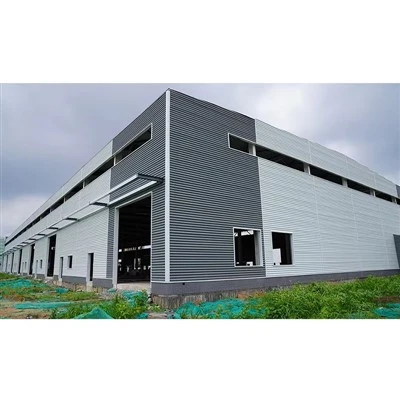
Let’s talk about real-world examples, not just lab tests. Last year, we supplied 12,000 sq ft of SMP-coated steel panels to a cold storage facility in Chicago that handles frozen produce. Their initial concern was that steel would make the interior temp fluctuate, but after 18 months of operation, their facilities manager sent us a report saying the exterior cladding has zero thermal gaps, no rust, and they haven’t had to do any touch-ups. Before that, they used aluminum panels and had to repair 15 dents in the first winter, each repair costing them $800 on average. They switched to our color coated steel and saved over $12,000 in that first year alone. Another project: a deep freeze facility in Alaska that stays at -50°F — we used PVDF-coated panels, and they’ve been running for 3 years with zero issues. They picked PVDF specifically because it doesn’t get brittle in super cold temps, which was a non-negotiable for their climate.
Now, what about the different uses within a cold storage project? Color coated steel isn’t just for exterior cladding, right? You can use it for interior panels too, especially for secondary rooms, offices attached to the cold storage, or even the door frames. For walk-in freezers, some people use stainless steel for interiors, but color coated steel is a way cheaper alternative that still holds up. Just make sure the interior coating is food-safe if you’re storing produce or food products — we have food-grade coatings that meet FDA standards, so you don’t have to worry about paint leaching into your goods.
Wait, a lot of first-time builders ask me: can we use regular color coated steel, or do we need a special grade? The answer is always “get the cold-specific grade.” Here’s what I recommend: if your cold storage is between 0°F and -20°F, go with SMP-coated Galvalume steel (Galvalume is a mix of zinc and aluminum, better corrosion resistance than straight galvanizing for damp environments). If it’s below -20°F, especially for deep freeze, go with PVDF-coated Galvalume. And never, ever use polyester for these temps — it’s not worth the risk.
Another common question: what about insulation? Because cold storage needs insulation, obviously. Color coated steel works with all the common insulation types: polyurethane foam (PUF), extruded polystyrene (XPS), even rockwool. The steel is the outer skin, the insulation is between the steel and the interior wall, and that combination gives you the R-value you need to keep temps consistent. I’ve tested combinations where color coated steel + PUF gives an R-value of 7 per inch, which is way higher than concrete or even wood.
Now, let’s get to the part you actually care about: making this work for your project. A lot of builders jump on the cheapest material they can find, but with cold storage, that’s a mistake. Here’s my step-by-step advice if you’re considering color coated steel for your next cold storage build:
- Figure out your temp range first. That’s the biggest factor in picking the coating grade. If you’re unsure, shoot us a message (no need to be shy, we’ll help you calculate) — we’ve done this a hundred times.
- Don’t skip the base coating. Galvanized or Galvalume is non-negotiable for corrosion resistance. Raw steel will rust in a cold storage’s damp air, guaranteed.
- Find a supplier who does quality control. We test every batch of our color coated steel panels for freeze-thaw resistance, coating adhesion, and corrosion before they leave the warehouse. A lot of cheap overseas suppliers skip these tests, and that’s how you end up with cracking paint after a year.
- Plan for installation. Work with a crew that’s familiar with cold storage installs — having pre-cut panels saves so much time, and making sure holes are aligned correctly prevents gaps.
Wait, I know some of you are still skeptical, and that’s fair. I used to be too, until I saw that Fargo project. Let me address a common myth: “Steel is too heavy for cold storage buildings.” No, color coated steel is super light — a 4×8 panel is like 15 lbs, which is way lighter than concrete panels. That means less structural support needed, which cuts down on construction costs too. It’s a win-win.
Another myth: “Color coated steel won’t look good after a few years.” We offer a 10-year warranty on our SMP and PVDF coatings for cold storage projects, specifically against cracking, peeling, and rust. That’s not a random number — that’s based on our 20+ years of data showing these coatings hold up in cold environments for that long, if not longer.
At the end of the day, cold storage projects need materials that are durable, cost-effective, and keep temps consistent. Color coated steel checks all those boxes, as long as you pick the right grade and supplier. I know it’s easy to go with what you’ve always used, but trust me, switching to quality color coated steel can save you thousands in repair and replacement costs down the line, not to mention cut down on install time.
If you’re in the middle of planning a cold storage project right now, or just researching materials, don’t leave this to chance. Hit us up to talk through your specific needs — whether you’re building a small walk-in freezer or a massive deep freeze facility, we can help you pick the right color coated steel grade, calculate thermal performance, and even connect you with experienced installers in your area. No pushy sales stuff, just honest advice from guys who know this industry inside and out.
And before you go, remember: the last thing you want for your cold storage is a material that fails when you’re storing perishable goods. We’ve spent years testing our color coated steel in exactly these conditions, and we stand behind every panel we supply.
Steel Workshop References:
- American Iron and Steel Institute. (2022). Performance of Coated Steel for Cold Storage Applications. Steel Construction Today.
- National Cold Storage Association. (2021). Material Selection for Low-Temperature Facilities. NCSA Best Practices Guide.
- Polymer Coatings Association. (2020). Freeze-Thaw Resistance of Industrial Paint Coatings. Coatings Industry Journal.
Suzhou Wanyu Steel Structure Construction and Installation Engineering Co., Ltd.
With abundant experience, we are one of the most professional color coated steel sheet manufacturers and suppliers in China. We warmly welcome you to buy customized color coated steel sheet at competitive price from our factory. If you have any enquiry about pricelist, please feel free to email us.
Address: No. 78, Putian Road, Suzhou Industrial Park, Suzhou, Jiangsu Province
E-mail: Zhu@szwanyu.com
WebSite: https://www.wy-metalstructure.com/
