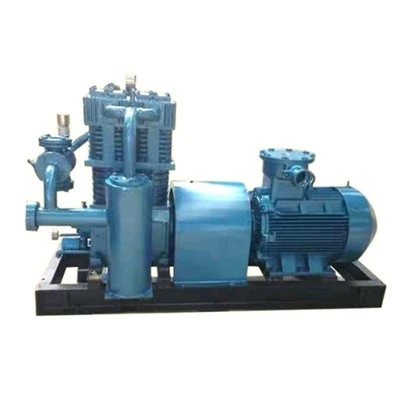
If you’re reading this, chances are you’re either in charge of a dive operation, fire department, industrial plant, or maybe even a hospital that relies on high pressure breathing air compressors. And let’s be real—when your crew’s life or safety depends on the air those machines pump out, you don’t mess around with maintenance timelines. I’m Jake, I’ve been selling high pressure breathing air compressors for 12 years now, and I’ve heard every question in the book—but none more common than, “How often do I actually need to maintain this thing?” High Pressure Breathing Air Compressor
First off, let’s cut through the noise. There’s no one-size-fits-all answer, but skipping maintenance = risk. I’ve seen a dive shop owner skip a quarterly check on his compressor’s moisture separator and end up with tanked air that made his divers sick. I’ve watched a firefighter crew’s compressor fail mid-10-hour search because they ignored a simple filter swap. This isn’t like your fridge—when this machine goes down, people can get hurt. So let’s break down what actually matters when setting your maintenance schedule, no jargon, no fancy charts.
Start With The Basics: How Much Are You Using It?
This is the biggest factor I see people sleep on. If you run a small dive shop that cranks out 10 tanks a day, 5 days a week? That’s way different from a refinery that runs its compressor 24/7, 365 days a year, pumping air for hundreds of workers. I tell every new client: track your runtime first, not just the calendar.
For light use (think: 0–4 hours a day, 20+ tanks a week max, like a small private dive shop or weekend racing team): I recommend a full inspection every 6 months, plus quick checks every month. The quick checks are non-negotiable: before every use, feel the air coming out of the discharge hose for moisture (if it’s damp, that’s a red flag), listen for weird rattles or hisses, and check the pressure gauge to make sure it’s holding steady. The 6-month deep dive? Swap the intake air filter, check the oil level (most high pressure compressors have specific synthetic oil, don’t use regular automotive stuff), and test the outlet air for carbon monoxide or oil residue—your local fire marshal can do this cheap, or we can walk you through a simple test kit.
Medium use (4–12 hours a day, 5–6 days a week, like a mid-sized dive operation or a local fire department): You’re looking at a monthly quick check, a partial service every 3 months, and a full service every 12 months. The partial service here swaps the moisture coalescer filter and the oil separator element—those parts get gunked up fast when you’re running the machine that much. The annual full service should include a valve inspection, a compressor cylinder check, and a full air quality test. I had a fire department client with 2 of our compressors here—they used to stretch the full service to 18 months, and one day the discharge valve stuck open, leading to a pressure spike that almost broke the tank. They fixed that schedule fast after that.
Heavy use (12+ hours a day, 7 days a week, like a large refinery, commercial dive team, or mining operation): This is non-negotiable weekly quick checks, monthly partial services, and a full service every 6 months. For these folks, downtime costs way more than maintenance—if your compressor is down for a day, a refinery might lose tens of thousands in production, or a dive team might have to turn away a charter. The weekly check here goes beyond just listening: check the coolers to make sure they’re not clogged with dust or debris (that makes the compressor work harder and wears it out faster), drain the aftercooler moisture trap every single time you use it, and check all the hoses for cracks or fraying. We even built a custom maintenance log for one heavy-use client that syncs with their shift schedule, so every operator signs off on the check before they take over—no more missed steps.
Don’t Forget The Environment
Wait, right—where you’re running this thing matters, a lot. If you’re operating in a dusty desert, near saltwater (like a beach dive shop), or in a humid, industrial area with lots of chemicals? You need to bump your schedule up by 25%. Salt air eats at metal parts, dust clogs filters in days, and humid air means your moisture separators have to work overtime. I had a client in Florida that runs a dive shop right on the beach—they were doing quarterly full services, but after a year, their compressor’s intake filter was covered in salt and sand that had seeped in. I told them to move to every 3 months, and they haven’t had a single issue since. On the flip side, if you’re running a compressor in a temperature-controlled, clean indoor space (like a hospital backup air system), you can stick to the lighter schedules, just don’t skip the annual air quality test.
The Things That Don’t Get Enough Attention
Here’s the part most “expert” guides leave out: it’s not just the big parts. Let’s talk about small stuff that causes 90% of the breakdowns I see. First, the oil. Most high pressure breathing air compressors use a specific type of synthetic oil—if you use the wrong stuff, it breaks down faster, leaves residue, and clogs up the system. I see people buy cheap oil online all the time, and it’s a disaster waiting to happen. Second, the safety valves. Those are there to prevent a pressure explosion—you need to test them every 6 months, no exceptions. I can’t tell you how many times I’ve replaced a safety valve that was stuck because no one ever checked it. Third, the air quality test. Even if you follow the schedule, testing the air for CO, oil, and particinates is a must. Bad air kills divers, makes firefighters sick, and can get your operation shut down by OSHA or local regulators.
What Happens If You Skip Maintenance?
Let’s be clear: this isn’t just about keeping your compressor running longer. It’s about liability, safety, and money. A friend of mine runs a commercial dive operation that got a OSHA fine a couple years ago because their compressor’s air test was outdated—$12,000, no joke. Another client skipped a filter swap and had to replace a $1,500 compressor cylinder instead of a $50 filter. And the worst part? I once had a diver come in with a lung infection because his tank had oil residue from a neglected compressor. No amount of cutting corners is worth that.
How To Build Your Own Schedule
Let’s make this easy. Pull out your compressor manual first—most manufacturers have a base schedule, but adjust it based on your use and environment. Then, keep a log (we even give free printable ones to all our clients, just ask). Write down every runtime, every check, every part you swap. If you start noticing a pattern—like your moisture filter gets clogged every 2 months, not 3—adjust accordingly. This isn’t a rule set in stone, it’s for your machine and your team.
At the end of the day, I’m not here to sell you unnecessary service plans. I’m here to make sure your compressor runs safe, runs reliable, and doesn’t leave you scrambling mid-job. If you’re not sure where to start, or if you want to walk through your specific use case to build a schedule that works for you, hit us up to connect for a chat. We’ve helped everyone from small dive shops to large industrial teams get their maintenance right, no pressure, just solid advice from someone who’s been in the game long enough to see what works and what doesn’t.
Screw Gas Compressor References:
- Compressed Gas Association. (2020). Standard for Breathing Air Compressors and Air Piping Systems. CGA Grade G-7.1.
- Occupational Safety and Health Administration. (2022). Maintenance and Servicing of High Pressure Breathing Air Compressors. OSHA 29 CFR 1910.134 Appendix A.
- National Fire Protection Association. (2021). Standard for Breathing Air Systems for Fire Department. NFPA 1901.
- Underwriters Laboratories. (2019). Safety Standard for High Pressure Breathing Air Compressors. UL 2057.
Shanghai Sollant Energy Saving Technology Co., Ltd.
As one of the most professional high pressure breathing air compressor manufacturers and suppliers in China, we’re featured by quality products and good service. Please rest assured to buy bulk durable high pressure breathing air compressor from our factory. Welcome to view our website for more information.
Address: No.215, Songri Center, Beihongqiao, Jiading District, Shanghai, China.
E-mail: info3@sollant.com
WebSite: https://www.sollant-gas.com/
