When I started my journey as a natural mineral water supplier, I thought most of my work would be about delivering crisp, clean water to homes and businesses. So when a craft beer brewer in Portland reached out last year asking if our spring water could be used to brew their next batch of IPA, I’ll admit I was caught off guard. That question turned out to be one of the most meaningful conversations I’ve ever had in this industry—not just because it opened a new revenue stream for my business, but because it taught me how deeply water shapes beer, and why choosing the right source isn’t just a matter of taste—it’s science. Today, I want to share what I’ve learned over the past two years working with brewers, answering that very question: can natural mineral water be used for brewing beer? Spoiler alert: yes, but not all natural mineral water is the same, and getting it right means understanding both your water’s chemistry and your beer’s style. Natural Mineral Water
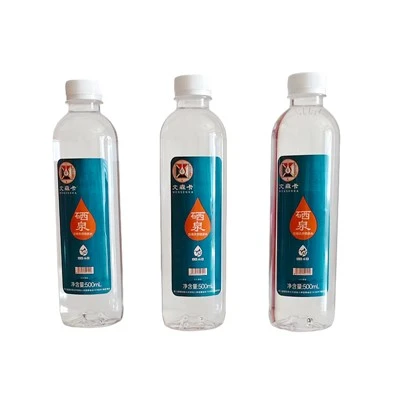
Let’s start with the basics, because that’s where most people go wrong. Natural mineral water isn’t just tap water that’s been filtered a little. By definition, natural mineral water comes from an underground aquifer, tapped at a protected source, and contains a fixed level of minerals and trace elements that remain consistent for decades—no artificial additions, no major filtering beyond removing any particulate matter from the source. That consistency is actually a huge plus for brewers, because beer is 90-95% water. If your tap water fluctuates from day to day—common in many urban areas where water is sourced from lakes or rivers that change with rainfall or temperature—it’s hard for brewers to replicate their recipes. I’ve seen this firsthand: a brewer I partner with in Denver told me they used to get complaints about their stout every spring, when the city’s tap water had higher iron levels from snowmelt. Switching to our mineral water, which tests the same every month, fixed that issue overnight.
But here’s the catch: minerals are the backbone of brewing water. Brewers don’t just use water to mix malt and hops—water’s minerals affect every step of the process, from mashing to boiling to fermentation. Let’s break down the key minerals and what they do, because that’s where natural mineral water shines (or can go wrong, if you don’t match it to your beer style).
Calcium is the big one. It’s not just for strong bones—calcium lowers the pH of your mash (you want that pH between 5.2 and 5.6 for proper enzyme function, which converts malt starches to sugar), clarifies the beer, and prevents unwanted bacterial growth during fermentation. Magnesium is next in line; it’s a nutrient for yeast, so a small amount (10-30 mg/L) helps yeast work efficiently. Too much, though, and it gives the beer a bitter, laxative taste—no brewer wants that. Then there’s sulfate and chloride, two ions that shape flavor in very different ways. Sulfate is all about dry, hoppy beers: it brings out the bitterness and aroma of hops, which is perfect for IPAs and pale ales. Chloride, on the other hand, rounds out malt sweetness, making it ideal for stouts, porters, and other dark, malty beers that need that full, smooth body.
Now, here’s where my role as a natural mineral water supplier comes in. Over the past two years, I’ve worked with our third-party lab to test every batch of our water in detail—we don’t just test for purity, we test for those brewing-specific minerals. Our water comes from an aquifer in the Pacific Northwest that’s been undisturbed for thousands of years, so its mineral profile is stable: roughly 60 mg/L calcium, 15 mg/L magnesium, 30 mg/L sulfate, and 45 mg/L chloride. That’s not a random number—we worked with a consulting brewer to adjust that profile slightly (we add a tiny bit of calcium chloride, no artificial anything, just naturally occurring minerals we isolate from the source) to make it versatile for most beer styles. But not every brewer uses our water straight from the tap, and that’s okay too.
I remember when a brewer in Chicago contacted me, saying they wanted to brew a traditional German Helles lager. Helles is a pale, crisp lager that requires very specific water: low sulfate, moderate chloride, and a neutral pH. Our water’s natural profile is a little higher in sulfate than what’s ideal for Helles, so we adjusted it slowly—adding a small amount of distilled water (not filtered tap water, important) to bring the sulfate level down. It took three test batches, but once they got the ratio right, that brewer’s Helles won a gold medal at a local craft beer festival last year. He told me later that without consistent water, he’d never have been able to hit that exact balance that makes a Helles taste like it should. That’s the beauty of natural mineral water for brewing: it’s a starting point, not a finished product. Good brewers adjust it, but having a consistent base means they don’t have to guess every time they brew.
But wait—what about bad natural mineral water for brewing? I’ve seen brewers waste time and money testing water that’s way too high in certain minerals. For example, some natural mineral waters are high in sodium (more than 200 mg/L). That’s great for drinking water if you’re on a low-sugar diet, but in beer, too much sodium makes it taste salty—think of that cheap, watery beer that’s almost like broth. I once had a brewer test a natural mineral water from a source in the Rockies that had 400 mg/L sodium; he tried using it for a wheat beer, and the whole batch was ruined. Other red flags: high iron (more than 0.3 mg/L), which gives beer a metallic, blood-like taste; high manganese, which creates a cardboard flavor as the beer ages; or high alkalinity (pH above 8.5), which makes the mash pH too high, so enzymes don’t work properly, leading to stuck fermentation and thin, sweet beer.
That’s why as a natural mineral water supplier, I don’t just sell water—I partner with brewers to test their source, match it to their beer style, and adjust only when necessary. We give every customer a full mineral report for our water, so they can plug it into their brewing software, which tells them exactly how much to add or remove of each mineral. I even host free monthly workshops for local brewers, where we taste different batches of beer made with our water, talk about mineral profiles, and answer questions. Last month, a homebrewer from Seattle came to a workshop, and after testing our water, adjusted his recipe for an American pale ale. He brought a bottle to the next workshop and told me it was the best pale ale he’d ever brewed—no more off-flavors, no more stuck fermentation, just clean hop flavor and a smooth malt body. That’s the kind of impact good water has, and it’s why I love this part of my business.
Another common question I get: is using natural mineral water more expensive than using filtered tap water or reverse osmosis (RO) water for brewing? It depends, but here’s the thing: RO water is zero minerals, so brewers have to add every single mineral manually—calcium, magnesium, sulfate, chloride—using brewing salts. That adds up over time, and there’s a small risk of adding the wrong amount (I’ve seen brewers add too much sulfate, making their IPA taste like soap). Natural mineral water has those minerals already in balance, so you’re adding less, not more. My partner brewer in Portland did a cost comparison: using our natural mineral water, his mineral costs per batch were 20% lower than when he used RO water plus brewing salts, and his yield (the amount of beer he gets per grain) increased by 5%. That’s a big win for small breweries with tight margins.
I should also mention consistency over time. Because our water comes from an aquifer, it doesn’t change with seasonal rainfall or temperature, like surface water from lakes or rivers does. A brewer I work with in Austin told me he used to source water from the Colorado River, and he’d have to adjust his mineral profile every two weeks after testing, because the river’s composition shifted. Switching to our natural mineral water, he now does one mineral test a month, and that’s it. That means less time in the lab, more time brewing, and more consistent beer for his customers. When a regular buys a pint of his IPA, they expect it to taste the same every time—not a little citrusy one month and a little bitter the next. Water consistency is the foundation of that trust.
But let’s be clear: natural mineral water isn’t a magic bullet. If you have a brewer making a specific style that requires a very unique mineral profile, a single source of natural mineral water might not be enough. For example, traditional English ESBs require higher alkalinity (around 150 mg/L as CaCO3), which our water doesn’t have. But that doesn’t mean our water is useless for ESB—brewers can adjust it by adding a small amount of baking soda (sodium bicarbonate, which is naturally occurring in some water sources) to raise alkalinity. The key is knowing what your beer needs, and what your water has. That’s why I work with a network of consulting brewers who help our customers navigate that—we don’t just sell water, we provide support.
I’ve also learned from brewers about the sensory side of things. Beyond the chemistry, natural mineral water can add a subtle, mouthfeel that makes beer feel more balanced. RO-based beer often feels thin, like soda water, because it lacks the minerals that give beer body. I’ve tasted batches of IPA made with our water vs. RO water, and the difference is night and day: the one with our water has a creamy, smooth mouthfeel that makes the hop bitterness linger in a good way, not a harsh way. That’s not a guess—it’s what the brewers tell us, and what I’ve tasted myself at blind tastings.
Now, I want to address a common misconception: some brewers think natural mineral water is just “bottled water for drinking,” so it’s too clean for brewing. But that’s not true. Cleanliness is important, but so is having the right minerals. I’ve seen filtered tap water that’s too low in minerals, leading to thin beer, and some “purified” bottled water that’s just RO water with added minerals, which is basically the same as what brewers make in-house. Natural mineral water is different because the minerals come from the aquifer, not from added salts, and they’re present in a natural, balanced ratio. That balance is what makes it better for brewing than some other sources.
Over the past two years, working with brewers has changed how I run my business. I used to just track delivery numbers and water quality, but now I track brew batch success rates, feedback on beer flavor, and how many of my customers are winning awards with water from my source. Last year, three of our brewery customers won awards at the Great American Beer Festival, and when they accepted their awards, they thanked their water source. That’s the part that matters to me—not just selling a product, but being a part of something that makes good beer better.

If you’re a brewer, whether you’re a small nano-brewery just starting out or a mid-sized operation looking to refine your recipes, and you’re curious about how natural mineral water can improve your beer, I’d love to talk. We offer free sample testing, customized mineral reports, and one-on-one consultations to help you figure out the best way to use our water for your specific recipes. I’ve seen what consistent, mineral-balanced water can do for a beer, and I want to help more brewers experience that.
Natural Selenium Containing Mineral Water References
- Fix, G. (1999). Water: A Comprehensive Guide for Brewers. Brewers Publications.
- Stewart, G. G., & Russell, I. (2013). Brewing Science: A Multidisciplinary Approach. Springer.
- Siebert, K. J. (1999). The Role of Water in Beer Flavor. Journal of the American Society of Brewing Chemists, 57(2), 57-65.
- Natural Mineral Water Association of North America. (2021). Standards for Natural Mineral Water.
- Boulton, C., Quain, D., & Box, W. (2013). Brewing Yeast and Fermentation. Wiley-Blackwell.
Anhui Kexun Environmental Engineering Technology Co., Ltd.
As one of the most professional natural mineral water manufacturers and suppliers in China, we’re featured by quality products and good service. Welcome to wholesale bulk natural mineral water in stock here and get pricelist from our factory. We also accept customized orders.
Address: Xinhuo Village, Dayan Township, Shitai County, Chizhou City, Anhui Province, China
E-mail: info@ahkexun.com
WebSite: https://www.xiqueshanwater.com/
